
From Flight to Front Door: The Aviation DNA of Your Garage
You might not be a pilot, but your garage door is a masterpiece of aerospace engineering. Here is how the world of flight shaped the way you enter your home.
Born in the Hangar
The modern overhead door is a direct descendant of the aircraft hangar. Early pilots needed massive openings that traditional swing doors couldn't provide without being caught by the wind.
The Innovation: Engineers developed the
vertical lift and sectional horizontal tracks we use today, allowing massive doors to move safely and stay out of the way.
Precision Counterbalance
Moving a 200lb steel door feels effortless because of physics shared with aircraft control surfaces.
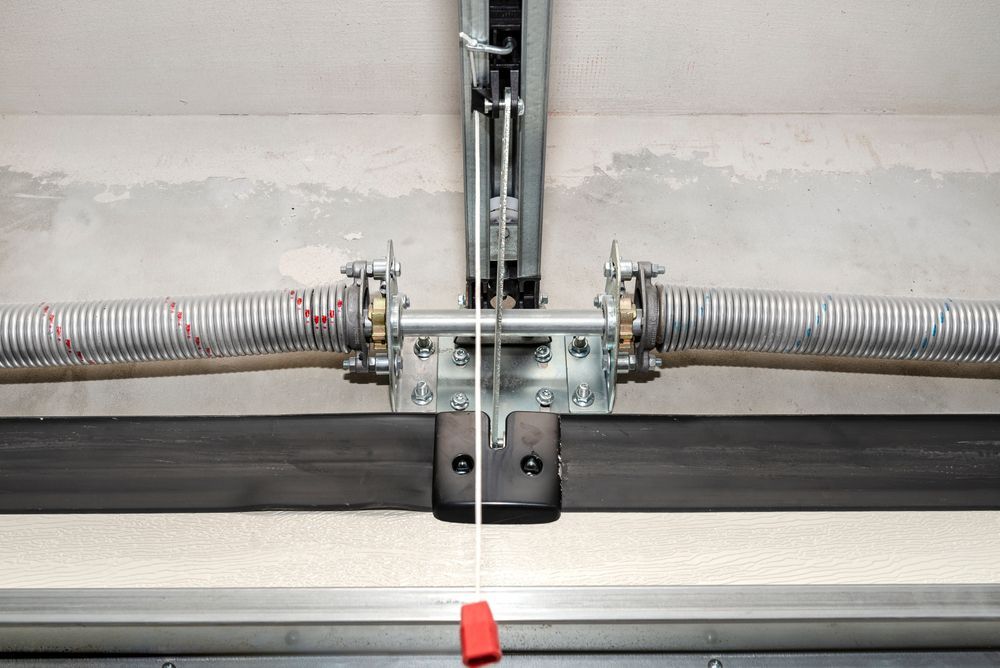
- Torsion Systems: Just as early planes used cable-and-pulley systems for flaps and ailerons, your door uses high-tension torsion springs to neutralize weight.
- Safety Sensors: Your garage door’s infrared "eyes" are simplified versions of the
proximity sensors used in airport ground equipment to prevent collisions.
Aerospace-Grade Protection
Modern manufacturing borrows heavily from material science to ensure your home stays protected:
- Wind Loading: The structural analysis used to ensure a door survives 150 mph gusts is pulled directly from the aerodynamic engineering used to design aircraft wings.
- Lightweight Strength: Many premium doors use aluminum and composites—perfected for airframes—to provide durability without the massive weight of solid steel.
Is Your Door "Flight-Ready"?
Whether you're storing a car or a Cessna, the cables and springs that lift your door are precision components. If your door feels heavy or noisy, it’s time for a professional tune-up.