
Restoring Balance After Spring Failure
Spring Replacement in The Twin Cities for doors that won't lift or have dropped suddenly
Garage door springs counterbalance the door's weight so the opener only has to trigger movement rather than lift the entire load, and when a spring breaks—often with a loud snap during cold mornings—the door becomes too heavy to operate safely. You'll notice the door won't open more than a few inches before stopping, or it slams down when you try to close it because there's no counterforce slowing the descent. Cardinal Garage Doors replaces broken or worn springs with components rated for the door's weight and expected cycle life, which directly affects how many years the springs will last before fatiguing again.
Spring replacement involves releasing the tension from the old spring if it hasn't already broken completely, removing it from the torsion shaft, and installing a new spring wound to the correct tension for your specific door weight. The process requires specialized tools because torsion springs store significant force even when the door is closed, and improper handling can cause injury or damage the door frame.
Request a service appointment to have springs tested and replaced before a sudden failure leaves the door inoperable.
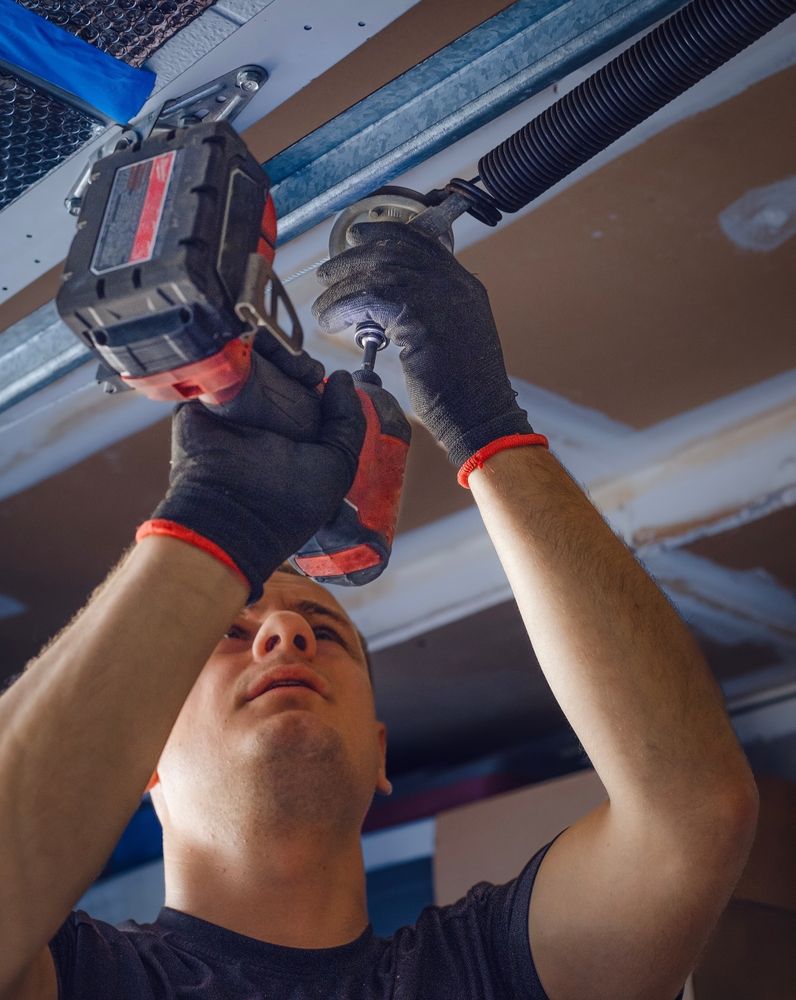
What Changes After Spring Replacement
The replacement process includes winding the new spring to the manufacturer's specified tension, testing the door's balance by disconnecting the opener and manually lifting the door halfway to verify it stays in place without drifting up or down, and adjusting the opener's force settings so it doesn't strain against an improperly balanced door. High-cycle springs—typically rated for 25,000 to 30,000 cycles rather than the standard 10,000—last longer but cost more upfront, which becomes a decision point if you use the garage door multiple times daily.
After replacement, the door lifts smoothly without jerking or hesitating at any point in its travel, and it stays in place when you stop it mid-height rather than creeping upward or sinking downward. The opener runs quieter because it's no longer working against an unbalanced load, and you won't hear the motor straining or see the belt slipping during operation.
The service includes testing both springs even if only one has broken, because springs installed at the same time typically fail within months of each other once one goes. Replacing both prevents a second service call shortly after the first repair.
What Property Owners Usually Ask
Questions about spring replacement often focus on what caused the failure, how long new springs will last, and whether the door can be used before repair happens.
What causes garage door springs to break?
Springs fail from metal fatigue after repeated expansion and contraction cycles, and cold temperatures in The Twin Cities accelerate this process by making the metal more brittle and less flexible during operation.
How long do replacement springs typically last?
Standard springs last 7 to 9 years with average use, while high-cycle springs can last 15 years or more depending on how frequently the door operates and whether it's protected from temperature extremes.
Can you still use the garage door if one spring is broken?
Operating a door with a broken spring forces the opener to lift the full weight of the door, which can burn out the motor or snap cables, and the door may fall unexpectedly if the opener disengages.
Why replace both springs if only one is broken?
Springs installed together have undergone the same number of cycles and are under the same tension, so the second spring is likely to fail soon after the first, leaving you with another service call and additional downtime.
What do you notice immediately after springs are replaced?
The door moves at a consistent speed throughout its travel without sudden acceleration or deceleration, and the opener sounds noticeably quieter because it's no longer compensating for an unbalanced door.
Cardinal Garage Doors prioritizes safety during spring replacement and uses quality components that match the door's specifications. Schedule a replacement to restore proper door operation and prevent damage to the opener system.